
A homeowner on Bird Key asked why her neighbors' decks stayed beautiful while hers looked washed out and tired every summer. They'd all stained around the same time. The difference came down to color choice. She'd gone with a light honey tone that showed every fade mark. They'd chosen medium cedar that aged gracefully.
Deck stain color in Sarasota is about more than what looks good today. It's about how that color will perform under relentless UV, coastal humidity, and the wear of barefoot traffic. The right choice enhances your home now and stays attractive years longer.
The Mid-Tone Advantage
Medium-toned stains consistently outperform both extremes in Florida. Very light colors show fading dramatically - what looked like natural honey in spring looks bleached and tired by August. Very dark stains absorb so much heat that deck surfaces can exceed 150 degrees, causing premature wood damage and making the deck unusable barefoot.
Medium tones like cedar, redwood, and driftwood gray hide gradual fading while keeping surface temperatures manageable. They also mask dirt and wear better than light colors without the heat penalty of dark ones.
Natural Wood Tones
Cedar remains the classic choice for Florida decks. Its warm, natural appearance complements most home colors and tropical landscaping. The color is forgiving with fading and works in semi-transparent to semi-solid formulations depending on how much wood grain you want visible.
Redwood offers slightly richer warmth than cedar. It hides fading even better and has that traditional deck look that never goes out of style.
Honey and golden oak are lighter natural options. They brighten shaded areas and create a modern appearance, but they require more frequent maintenance and show wear faster than deeper tones.
Natural or clear stains are not recommended for Florida sun. They provide minimal UV protection and require reapplication every few months rather than every few years.
Gray Tones: The Florida Favorite
Driftwood and weathered gray have become the most popular deck colors in coastal Sarasota. They complement the coastal aesthetic perfectly, hide natural aging gracefully, and offer excellent fade resistance.
Silver and platinum grays create a more contemporary look for modern homes. Cape Cod gray provides that classic coastal feel with traditional character.
The beauty of gray tones is that they actually improve as they weather. What starts as applied color gradually blends with the natural silver-gray that wood develops, creating an intentional look rather than a faded one.
Dark Tones for Specific Situations
Dark walnut and chocolate browns offer rich, elegant appearances that hide imperfections well. They're dramatic and sophisticated, but they absorb significantly more heat than lighter options.
Use dark stains on shaded decks or the portions of your deck that stay under cover. They work beautifully for screened or covered areas where heat isn't a concern but you want that striking, elegant look.
For full-sun decks, limit dark colors to accent areas or railings where heat absorption won't create uncomfortable surfaces.
Matching Your Home Style
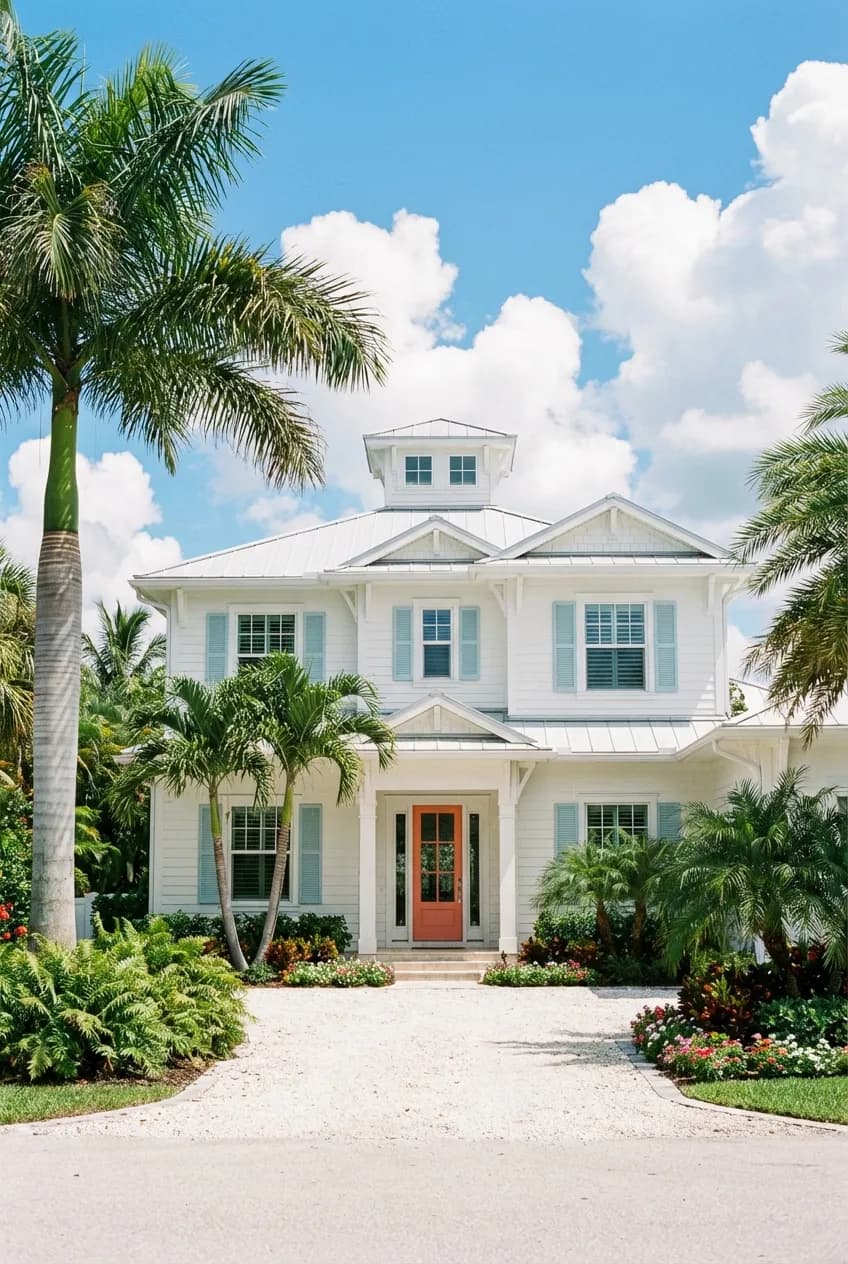
Coastal and beach homes pair naturally with driftwood gray, weathered silver, and light cedar. These complement the casual, relaxed aesthetic without competing with ocean views or tropical landscaping.
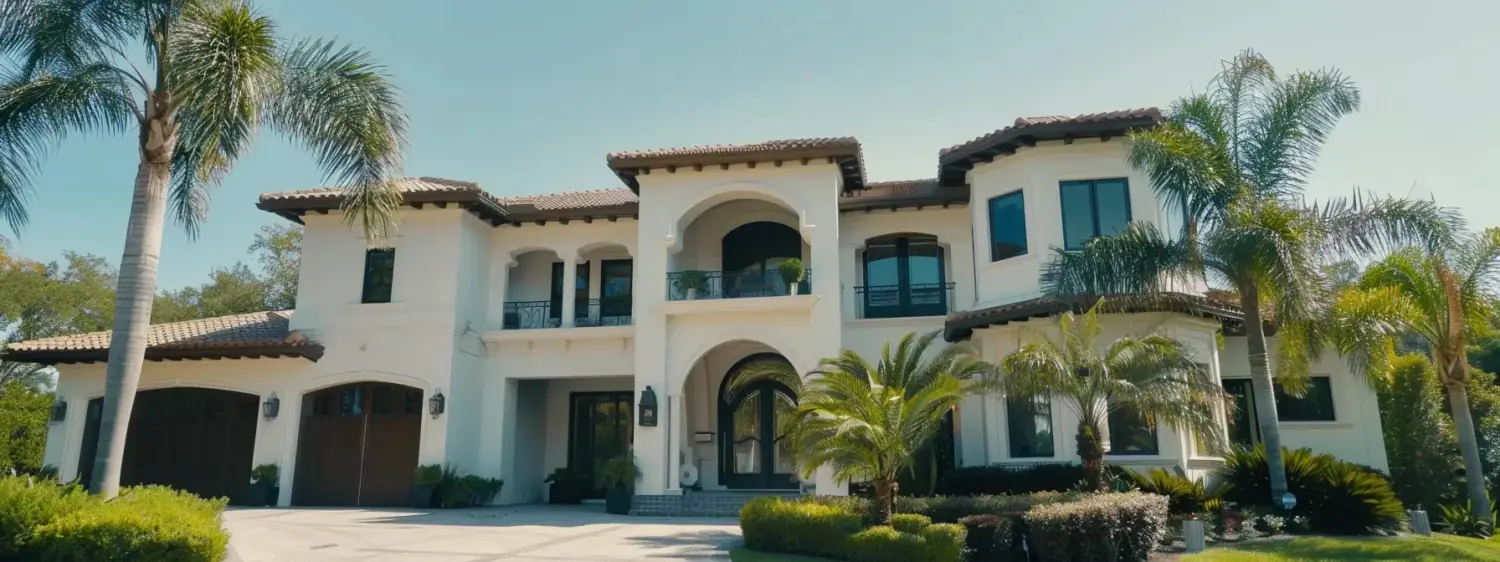
Mediterranean and Spanish-style homes work best with warm cedar, golden oak, and terra cotta tones that complement stucco walls and tile roofs.
Modern and contemporary architecture handles dark walnut, slate gray, and espresso well, creating the clean contrast these styles favor.
Traditional homes typically look best with classic cedar, redwood, and chestnut - timeless colors that match period details.
Coordinating With Your Home
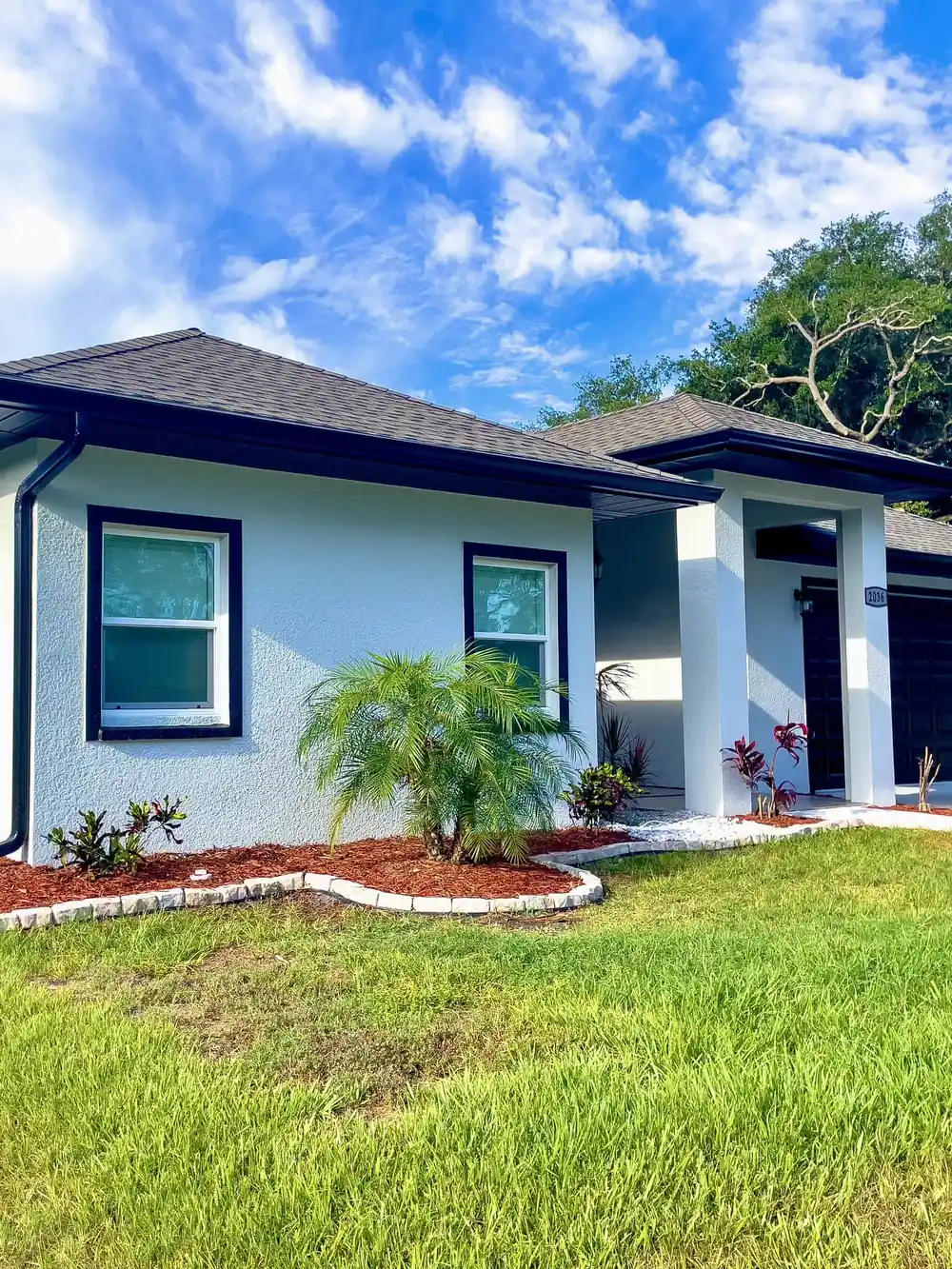
White or light-colored homes give you the most flexibility - almost any deck color works. Contrast creates definition, and both natural tones and grays pair beautifully.
Beige or tan homes do best with warm wood tones. Avoid competing yellows and stick to colors that complement rather than match.
Gray homes can either coordinate with a gray deck for cohesion or use natural wood tones to add warmth. Just be careful that gray tones don't clash - bring samples together before deciding.
Testing Before Committing
Never choose a deck color from a small chip. Buy sample sizes of your top choices, apply them to cleaned sections of your actual deck, and let them dry for at least 48 hours. View them at different times of day, in both sun and shade. Live with the samples for a week or two if you can.
Colors look dramatically different on a small display card versus a full deck surface, and Florida's intense light amplifies those differences.
How Long Colors Last
Clear and natural finishes fade noticeably within two to four months. Light honey tones show significant fade within four to eight months. Medium cedar holds up well for eight to eighteen months before notable change. Medium grays stay consistent for twelve to twenty-four months. Dark walnut and solid stains maintain color for eighteen to thirty-six months.
These timelines assume quality products properly applied. Premium stains with UV inhibitors and trans-oxide pigments extend all these ranges significantly.
Get Color Guidance
Not sure which deck stain color works for your Sarasota home? Our consultation includes on-site color recommendations, sample application, and coordination with your home colors.
Schedule your consultation or call (941) 504-3552.
Related Resources:
See Paint Colors on Your Actual Walls
Stop guessing which colors will look best. Upload a photo of your room and preview 80+ premium paint colors instantly - it's free and takes 30 seconds.
Frequently Asked Questions
Mid-tone natural wood colors like cedar, redwood, and honey perform best in Florida. They hide fading better than very light colors while not absorbing as much heat as dark stains. Gray-toned stains are increasingly popular because they complement Florida's coastal aesthetic and show weathering gracefully.
Medium tones are ideal for Florida. Light stains fade noticeably faster and show dirt, while very dark stains absorb extreme heat (surfaces can exceed 150F) and may cause premature wood damage. Cedar, redwood, and medium gray tones balance heat, fading, and aesthetics in our tropical climate.
Solid stains in medium to darker tones hide imperfections best. Semi-solid stains in cedar or redwood tones also camouflage minor flaws while allowing some wood grain visibility. For older decks with repairs, weathered gray or dark walnut solid stains provide the most coverage while looking intentional.