
If you are comparing epoxy garage floor cost in Sarasota, start with what your garage floor epoxy quote includes. A low total can hide missing prep, repairs, or a coating system that does not fit the slab. A useful proposal shows the scope, materials, and written price before the installation begins.
Grove Street Painting does not publish one flat rate for all garages. Desmond Landry personally walks each property before quoting, then the company provides line-item costs for the approved scope. Once that scope is approved, the written total is locked. If something was missed after the job starts, you do not pay for that mistake.
This guide explains the parts of a garage floor installation that belong in a written proposal. It also shows how to compare proposals without treating every epoxy floor as if the condition and scope were identical.
How Sarasota Garage Floor Pricing Is Built
A proposal should connect the total to the actual floor. Grove Street Painting's service can cover diamond-grind prep, concrete restoration, an epoxy or polyaspartic/polyurea system, and a decorative blend. Your written scope should say which parts apply to your garage.
The final cost must also match the access, restoration scope, and selected materials found during the walkthrough. Get each part in writing rather than relying on one number with no explanation.
Start With the Slab and Scope
The condition of the concrete changes the steps required before a coating can be installed. Existing damage may call for restoration, while a sound slab may move directly into the planned prep process after the walkthrough.
Do not assume two garages with similar square footage require the same scope. The floor, prior coating, and visible damage should be inspected before a firm total is written.
- Floor condition: Note cracks, worn areas, and prior material.
- Project scope: Identify every surface included in the proposal.
- Repair plan: State which concrete repairs are part of the price.
- System selection: Name the products planned for the floor.
A contractor should be able to explain why each line belongs in the proposal. If the scope changes only after application begins, it becomes harder for you to compare the original total with the finished result.
What Surface Preparation Includes
Grove Street Painting uses diamond-grind surface prep for garage floors. Grinding prepares the concrete for the selected system and gives the crew a clean view of damage that may require restoration before the next coat is applied.
Preparation is not a decorative extra. It is part of the process. A proposal that simply says "epoxy" does not tell you whether grinding, repairs, cleanup, and the selected materials are covered.
- Diamond grinding: Prepare the concrete surface for the approved system.
- Concrete repairs: Address damaged areas named in the scope.
- Dust control: Keep grinding debris managed during the work.
- Daily reset: Leave the work area orderly at the end of the day.
Grove Street Painting trains background-checked crews on PCA surface standards. The company also uses its Home Protection Ritual, including daily cleanup and a reset of active spaces.
Choose the Coating System
Garage floor services offer epoxy and UV-stable polyaspartic or polyurea options. Custom flake blends are also available. The right proposal names the system instead of using "epoxy" as a catchall for all materials.
The coating choice affects what goes into the system, but a higher cost alone does not prove a better result. Look for named materials, a defined scope, and warranty terms tied to the approved products.
- Epoxy base options: Confirm where epoxy appears in the system.
- UV-stable options: Ask whether polyaspartic or polyurea is specified.
- Custom flake blends: Record the selected blend in the proposal.
- Closeout records: Keep products, colors, and care notes together.
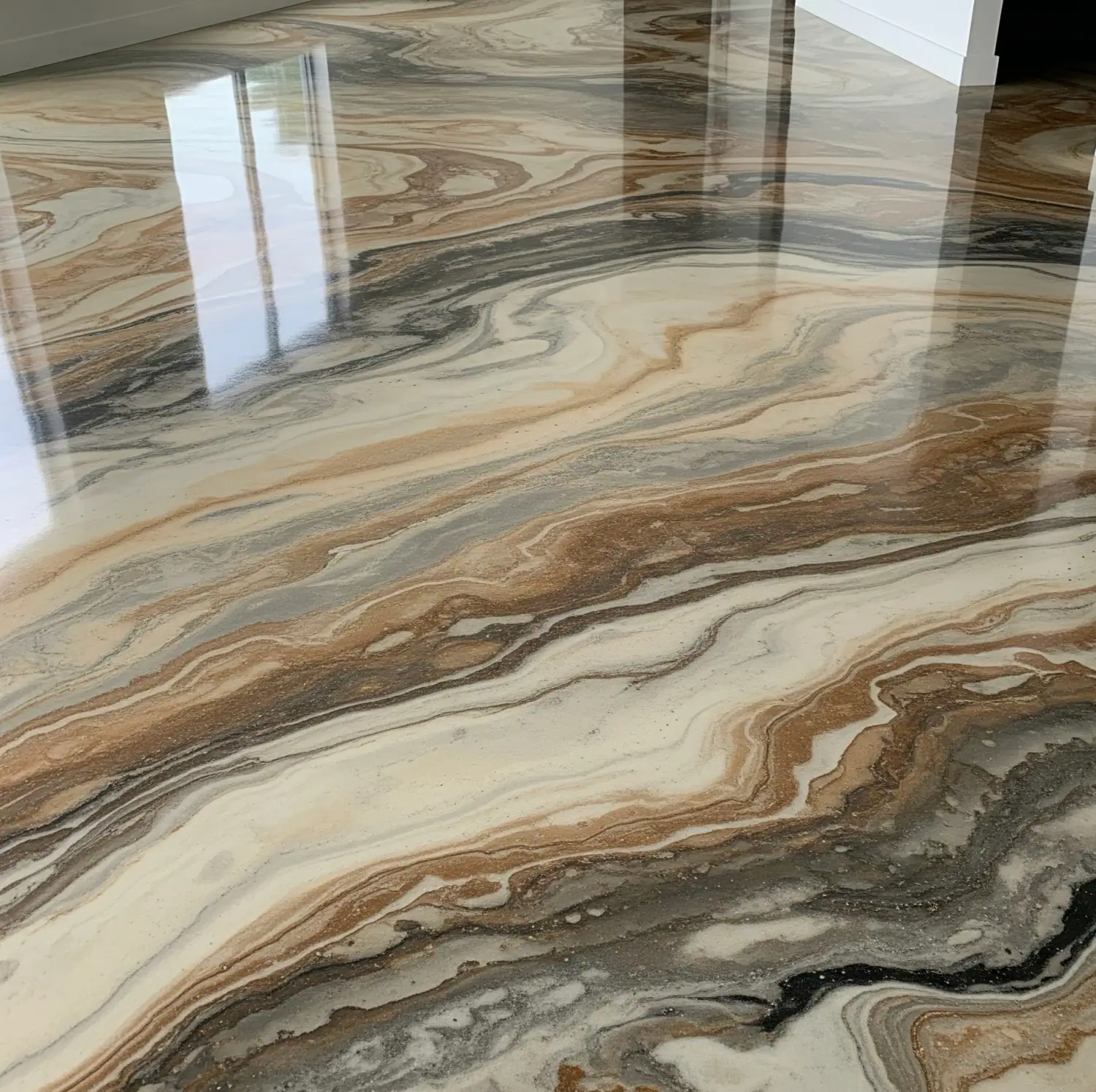
If you want a more decorative finish, review Grove Street Painting's guide to metallic epoxy floors. That option should still be compared by written scope, material, application method, and warranty rather than appearance alone.
Compare Line-Item Proposals
A clear proposal lets you see what you are buying. Grove Street Painting provides written proposals with line-item costs and a locked-total guarantee: "The estimate price is the final price. If we miss something after we start, that is on us - you are not paying for our mistakes."
Use the proposal to compare the same categories across contractors. One total may cover grinding and repair details while another leaves them vague, so the lower number may not represent the same floor coating system.
- Preparation line: Show grinding and other approved prep.
- Repair line: Show included crack or surface repair.
- Material line: Name the coating and flake selections.
- Price line: State the fixed total for the approved scope.
| Cost factor | What the proposal should show |
|---|---|
| Floor | Surfaces included in the project |
| Concrete | Condition found during the walkthrough |
| Preparation | Diamond-grind work in the approved scope |
| Repairs | Included crack and surface repair |
| Epoxy | Where epoxy is used in the system |
| Topcoat | Selected polyaspartic or polyurea option |
| Flake | Custom blend or other finish selection |
| Labor | Work included in the written scope |
| Access | Areas the crew must protect and reach |
| Warranty | Term tied to the coating system |
Read exclusions as closely as inclusions. If an item matters to the work but does not appear in the proposal, raise it before signing.
How to Plan the Installation
Cost matters, but the contract should also tell you how the job will be handled. Look for an owner walkthrough, a defined coating system, daily cleanup, a final inspection, and documents that match the finished floor.
Grove Street Painting serves Sarasota and nearby communities, including Lakewood Ranch, Siesta Key, Longboat Key, Osprey, Nokomis, and Venice. The property walkthrough determines the actual scope and written proposal for your location.
Know the Project Minimum
Grove Street Painting has a $1,500 minimum project size. A professional painting service uses a virtual estimator, a project manager, and two painters, so even smaller scopes require a full team and the planning behind it.
If your floor scope does not meet the minimum, combining related services may provide more value. The walkthrough is the place to discuss what belongs together rather than adding services that your home does not require.
- Minimum applies to residential projects.
- Combine related services only when the work is useful.
- Keep each service visible in the written price.
The minimum is not a generic per square foot rate. Your proposal should still identify the approved scope, selected material, and final locked total.
Understand Warranty Coverage
Grove Street Painting's written workmanship warranty is 5 or 10 years by coating system. For epoxy floors, covered issues include coating adhesion, delamination, and UV stability when the surface and system were installed by Grove Street under the approved scope.
Your proposal and closeout packet should identify the applicable system. That record matters because the warranty term follows the coating choice rather than an unqualified promise for each floor.
- Keep the written proposal with the approved scope.
- Keep product, color, and care notes from closeout.
- Confirm the warranty term tied to your system.
The company completes a full walkthrough before final payment and addresses issues found during that inspection. Responsive punch support is also part of the documented warranty process.
Questions to Ask Before You Sign
The most useful questions make the proposal easier to compare. Ask for specific answers in writing, especially when two companies describe their systems differently.
Use this short list during your walkthrough appointment:
- Included surfaces: Which areas are in the scope?
- Concrete repair: What repair work is included?
- Diamond grinding: Is it named in the scope?
- Product names: Which epoxy or topcoat is specified?
Then confirm the rest of the project terms:
- How are custom flake selections recorded?
- What is excluded from the fixed price?
- Which warranty term applies to this system?
Finally, check the closeout details:
- Will products and colors be documented?
- Will care notes be provided?
- Who handles punch-list questions after inspection?
A complete answer should point back to the written scope. Verbal assurances are harder to compare and easier to misunderstand once coating begins.
A Clear Next Step
Your garage does not call for a guessed average. It calls for an inspected scope that shows the surface plan, repair details, materials, warranty, and total in one place.
Before the walkthrough, leave enough space for Desmond to inspect the floor and note any old coating or damaged spots you want reviewed. Bring competing proposals if you want to compare what each one covers.
- Review the floor condition together.
- Choose the coating and flake options.
- Receive a written, line-item proposal.
Get your free quote for a garage floor assessment and a fixed proposal based on the scope your property actually requires.
See Paint Colors on Your Actual Walls
Stop guessing which colors will look best. Upload a photo of your room and preview 80+ premium paint colors instantly - it's free and takes 30 seconds.
Frequently Asked Questions
Grove Street Painting inspects the property before quoting, identifies the approved scope, and provides a written proposal with line-item costs. The estimate price is the final price, so missed items do not become surprise charges after application starts.
Grove Street Painting uses diamond-grind surface prep for garage floor installations. The walkthrough also identifies concrete damage that must be addressed within the approved scope before the selected system is installed.
Yes. Grove Street Painting offers UV-stable polyaspartic and polyurea systems, along with custom flake blends. The selected products and scope are documented in the written proposal and closeout packet.
Grove Street Painting provides a written workmanship warranty of 5 or 10 years by coating system. Epoxy floor coverage includes coating adhesion, delamination, and UV stability, and the applicable term is documented for the approved system.