
If you are comparing popular green paint colors 2026, do not choose from a phone screen or a small chip. Start with a short list, then view full-size samples on the walls you plan to change. Our interior painters in Sarasota can prepare sample boards so you can judge each choice in your furniture, flooring, and actual light.
A useful shortlist includes muted sage, warm olive, blue-leaning botanical shades, and deeper forest tones.
Olive green is the name for the whole warm middle of that list, and it covers a wide spread: some olives are heavy on yellow, some lean gray, and some carry enough brown to read almost khaki. Two olive greens that look close on a fan deck can go different ways on a wall. That is why the family name is a starting point and not a shopping list. The right direction depends less on a trend label and more on the fixed finishes already in your space. This guide gives you a simple way to narrow the options without turning your home into a color experiment.
How to Choose a 2026 Palette
Begin With What Will Stay
Before looking at fan decks, list the parts of the space that are not changing. Flooring, counters, tile, cabinetry, millwork, and large furniture set the boundaries for your palette. A shade that looks balanced beside warm wood may look unrelated beside a cool stone counter.
Put each sample next to those fixed elements. Do not judge it in an empty area. If a hue connects with the materials you already own, the whole space is more likely to feel intentional.
White woodwork also deserves a direct comparison. Some whites lean warm, while others lean cool or slightly blue. Place the sample beside the woodwork instead of assuming any white will work.
Compare Four Palette Families
You do not need to review hundreds of colors. Start with four families and remove the ones that clearly fight the palette.
- Muted sage is a restrained option for homeowners moving away from gray without wanting a dark result.
- Warm olive has more earth and yellow in it, so it can sit comfortably with wood, cream, and warm stone.
- Blue-leaning botanical shades can give a cleaner contrast beside cooler tile, metal, or crisp white.
- Deep forest tones bring more depth and work well when you want the painted surface to carry the room.
Two of those deeper shades deserve their own note. A hunter green is the classic dark, slightly blue-leaning green that carries a dining room or a study without feeling cold. A moss green is softer and grayer, closer to the color of shaded foliage, and it holds up in a room that gets less direct sun. Neither works in every space, and both are worth a full-size board before you commit.
These labels are starting points, not promises about how a finish will appear in your house. A green choice still has to work with the surfaces you already own. Two hues from the same family may react differently beside your flooring and furnishings. Use the family to narrow the search, then let the sample make the final case.
If you want a broader set of warm, grounded options, compare these earthy Florida greens before ordering samples.
Test a Full-Size Sample Board
Grove Street offers full-size sample boards viewed in your actual light. That gives you a movable test instead of a small swatch locked to one wall. Carry the board around the room and look at it near the floor, beside the baseboards, and behind the furniture that will remain.
Check the board in the morning, around midday, and in the evening with your normal lamps on. You are not looking for a shade that stays identical all day. You are checking whether each shift still works with the rest of the space.
Use one board for each serious option. More samples do not always make the choice clearer. Three well-chosen boards are easier to compare than a surface covered with small patches.
Choose the Coating After the Shade
Paint shade and product are separate decisions. Grove Street uses Sherwin-Williams Duration Interior as its standard interior paint. Upgrade options include Emerald Interior and Benjamin Moore Aura Interior. Emerald is under 50 g/L VOC, while Aura uses zero-VOC Color Lock technology.
The practical question is not which paint label sounds more premium. It is which approved coating system fits the room, finish, and written scope. Desmond Landry personally walks each property before quoting, so product selection may be tied to the actual surfaces instead of a generic package.
The written workmanship warranty is 5 or 10 years by coating system. Duration and Emerald carry a 10-year workmanship term when they are the documented system. The manufacturer's product warranty is separate from Grove Street's labor coverage.
Where Moody Green Works
A moody green, meaning one deep enough to read almost black in a corner, changes how a room feels at the end of the day. It works best in a space you use at night: a dining room, a study, a bedroom, a media room. In those rooms the walls are the backdrop and the light comes from lamps rather than windows.
It works less well in a small room with one window and no ceiling light, where a deep green can make the space feel closed in rather than calm. The living room is usually the hardest call, because it does double duty in daylight and in the evening. If you want the depth without the weight, a moody green on one wall or on the millwork behind a sofa is the safer version.
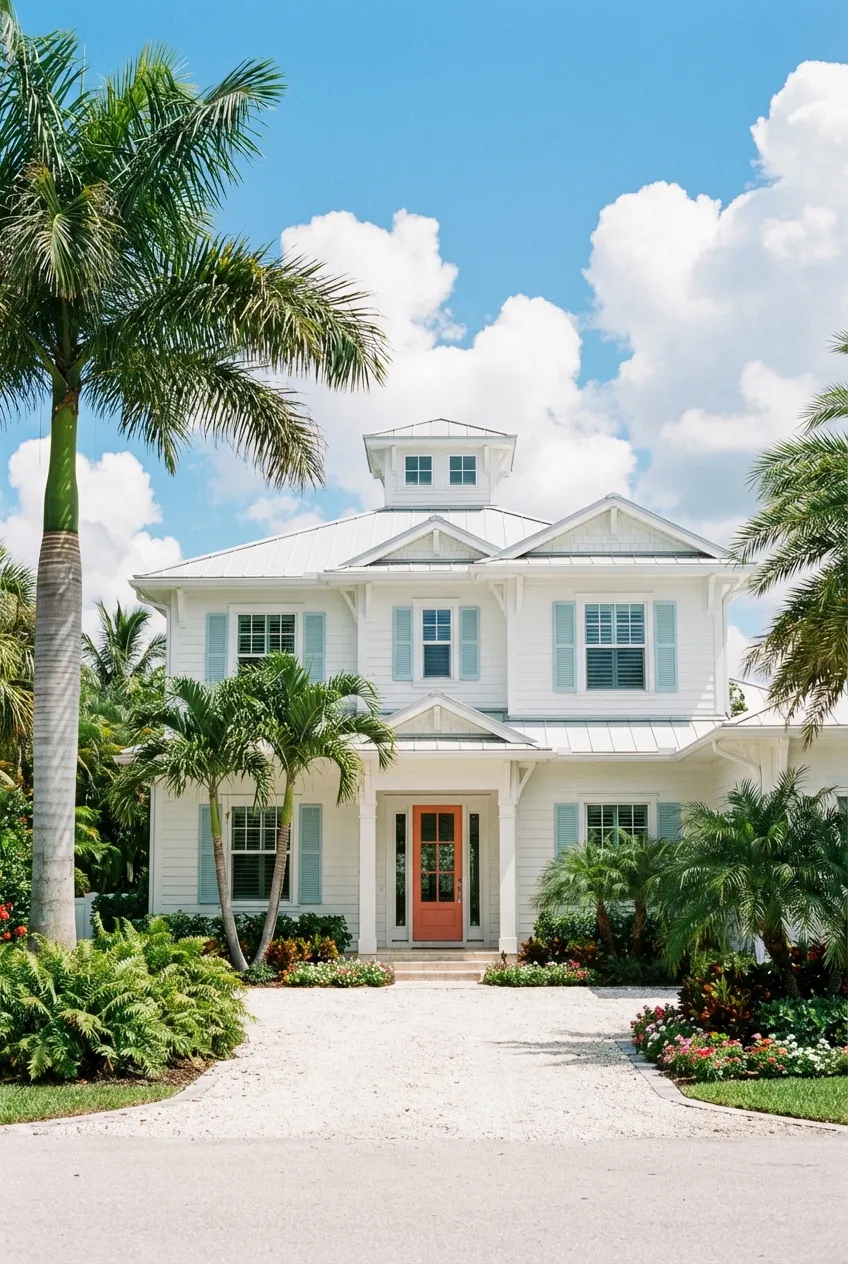
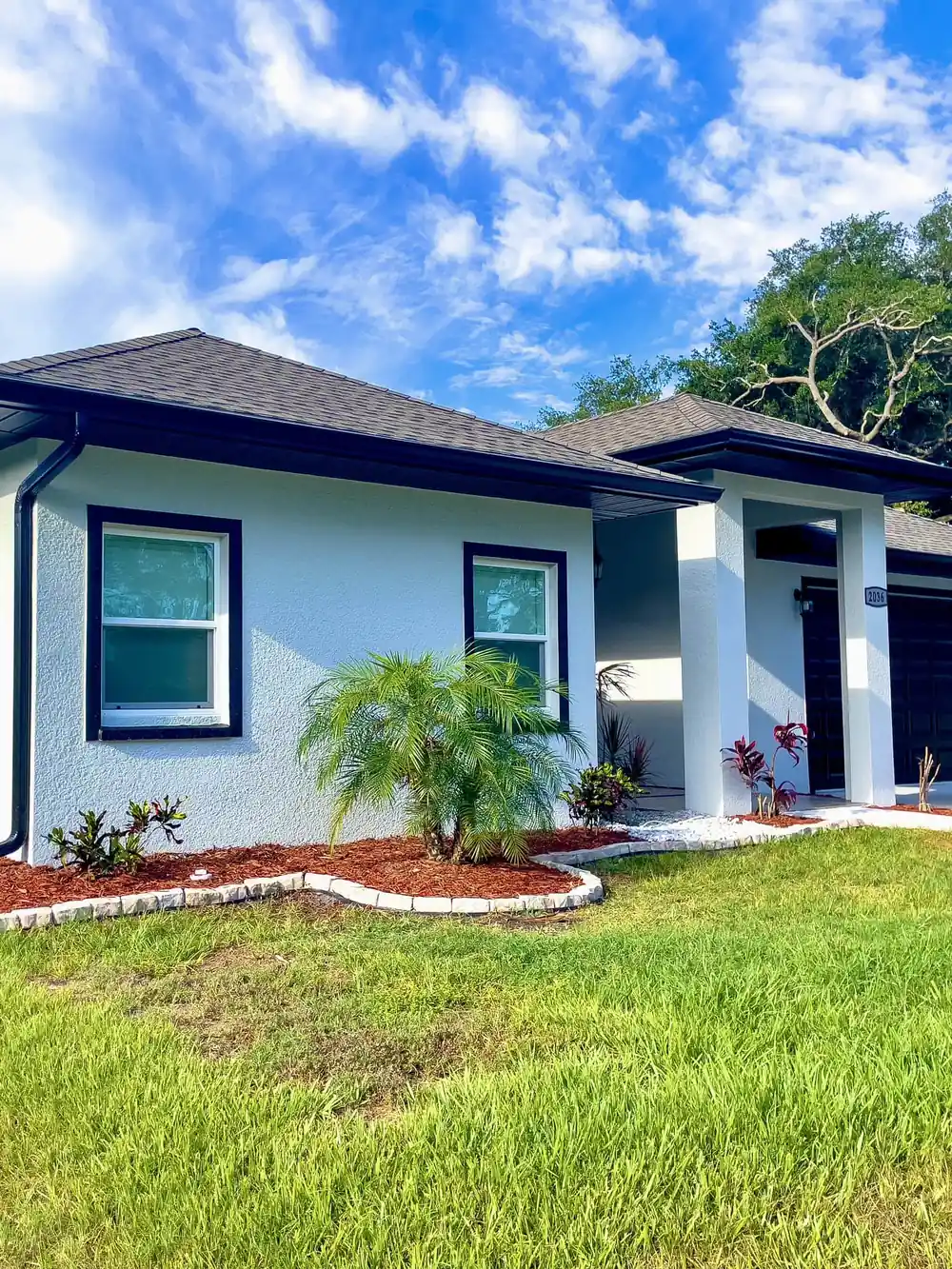
Green does not stop at the interior. Sarasota houses have a lot of exterior wall, and a muted sage or a soft olive on stucco reads very differently outside, in full sun, next to a gray driveway and green landscaping. Exterior color also faces salt air and intense UV, so the shade and the coating system have to be chosen together. Bring an exterior elevation into the walkthrough if you are considering green outside as well as inside, and compare the two samples under the light each one actually lives in.
A green paint color that looks right on a board in a room can go flat or go green-gray on a shaded exterior elevation. That is not a failure of the color. It is the difference between the light a room gets and the light a wall gets.
Plan the Project Before Work Begins
A good selection still needs a clear project plan. Decide whether you are changing only the walls or also painting ceilings, trim, doors, or built-ins. A new paint color may expose an old woodwork tone that seemed fine before the comparison was side by side.
If several areas connect, think about the order in which you view them. The colors do not have to match, but the transition should make sense from one doorway to the next. For scheduling context, review the room painting timeline before you set expectations for the project.
Grove Street crews are background-checked and trained on PCA preparation standards. During the project, the Home Protection Ritual includes protected floors, covered vents, and a daily reset of the work area. You also receive an end-of-day text and photo update.
Decide at the Walkthrough
An on-site walkthrough is required before quoting, and Desmond personally walks every property. Bring your sample-board notes and point out the fixed elements that drove your choice. Use the walkthrough to discuss surfaces, product, sheen, prep, and scope before the written proposal is prepared.
The estimate price is the final price. If Grove Street misses something after work starts, you do not pay for that mistake. There are no change orders or surprise fees for an estimating miss.
A trend may help you build a paint shortlist. The walkthrough turns that shortlist into a paint plan for your actual house.
Before you settle on a shade, decide how far you want to go. A single accent wall, a full room, and a whole-house palette are three different projects, and the cost of changing your mind grows with each one. The cheapest place to change your mind is the sample board.
FAQ
Which green family is easiest to test first?
Start with a muted sage and a warm olive, then add either a blue-leaning shade or a deeper forest option. That comparison makes the undertone differences easier to see without filling the room with samples.
Should I sample each surface?
Use a full-size movable board and view it near the walls, trim, floor, and major furnishings. Check it at several times of day and under the lamps you normally use. The goal is to see the same sample in each important condition.
Which interior products does Grove Street use?
Duration Interior is the standard product. Emerald Interior and Benjamin Moore Aura Interior are available as upgrades. The closeout packet documents products, colors, sheens, and care notes.
What happens after I choose a shade?
Schedule the required on-site walkthrough. Desmond reviews the property before quoting, and the written proposal gives you line-item costs. When you are ready to move from sample boards to a written plan, get your locked-in price.
See Paint Colors on Your Actual Walls
Stop guessing which colors will look best. Upload a photo of your room and preview 80+ premium paint colors instantly - it's free and takes 30 seconds.