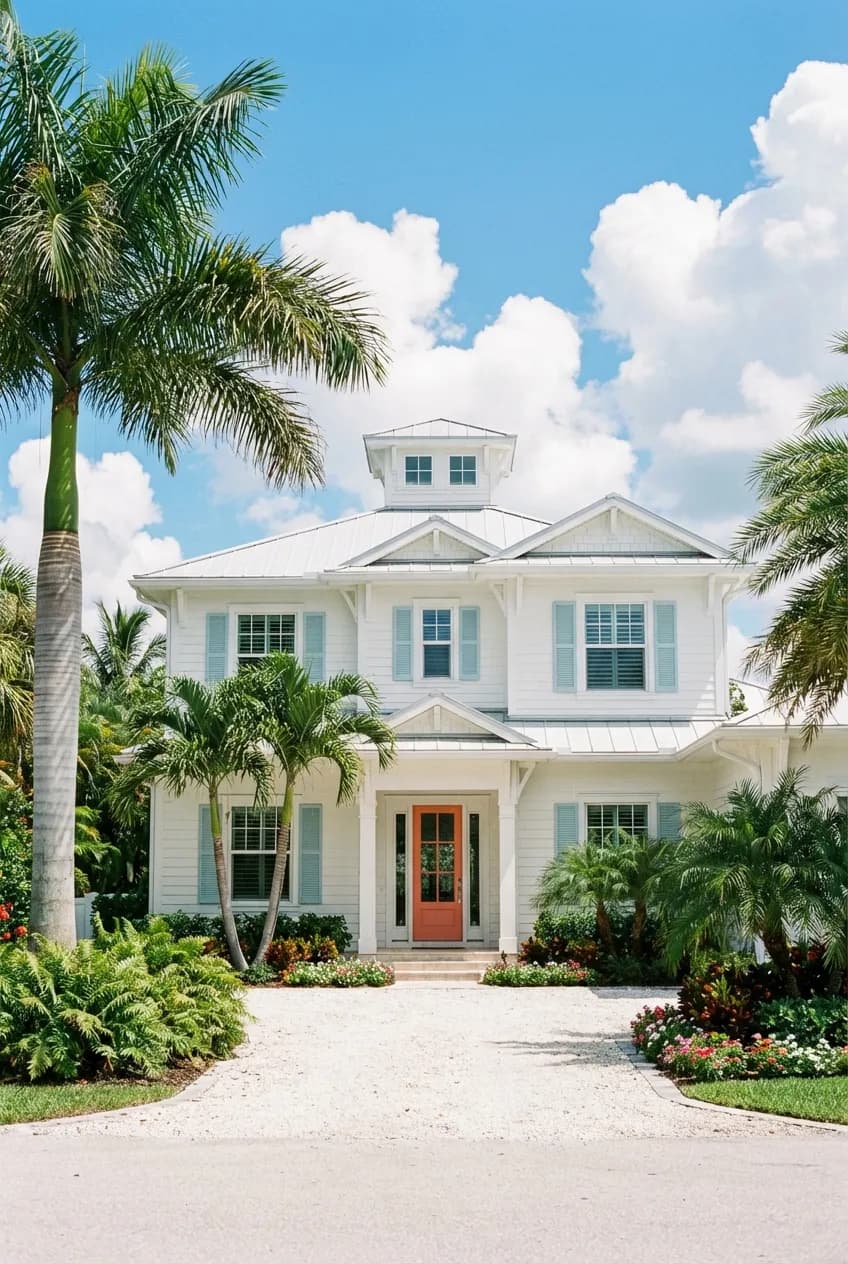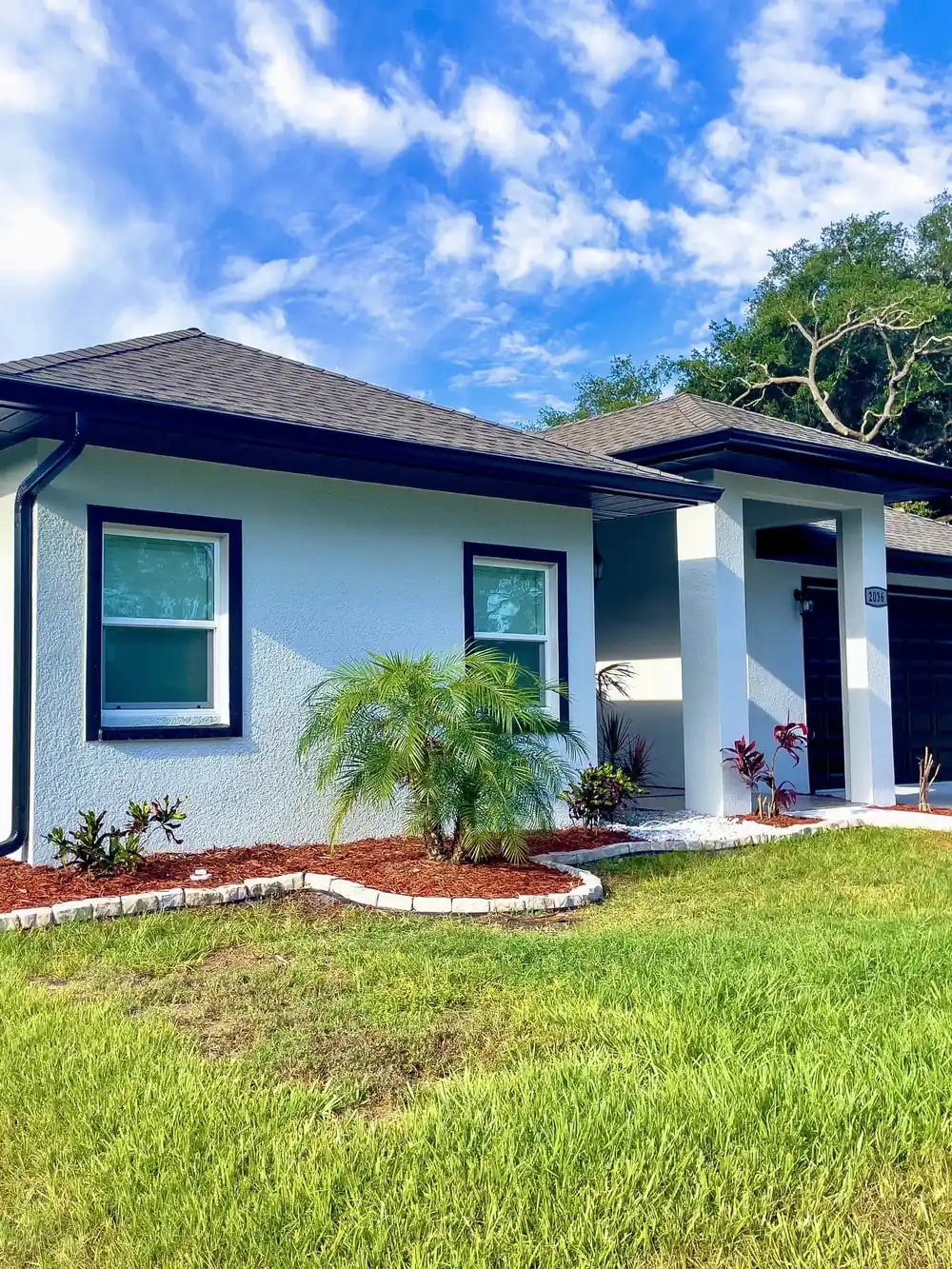

The DIY limewash vs professional choice becomes clearer when you stop judging a saved photo and start judging your own walls, schedule, and tolerance for correction. If the plans involve outdoor masonry or a complete facade, begin with Grove Street Painting's Sarasota exterior painting overview so the broader scope is clear before a decorative finish enters the conversation.
A limewashed look is not one fixed recipe. Traditional formulas, lime paint, and faux approaches made with regular paint are separate routes. Those options do not behave as one interchangeable product. Your decision should begin with the existing substrate, the visual standard you expect, and how much uncertainty you are willing to carry through the job. This guide does not assume that hiring is automatically better. A limited test may be a sensible way to learn. A broad, connected setting may justify professional help because planning, preparation, protection, and consistency matter more as the visible area grows. The useful question is not, "Can I hold a brush?" It is, "Which path gives me an outcome I will accept without turning the rest of the house into a practice zone?"
Start with the surface in front of you
Begin by separating inspiration from conditions. A close crop on a screen does not show prior repairs, existing paint, side light, corners, trim, or transitions into nearby spaces. Your own test should answer whether the chosen coating and method suit what is already there. It should also show whether you enjoy the movement or keep trying to smooth it away. A smaller, self-contained section gives you a cleaner exit if the result misses the mark. A connected room raises the stakes because the eye follows the finish through long sightlines. The point is not to scare you away from doing the work. It is to define where experimentation ends and a planned application begins.
Use these signs to decide whether a personal trial fits:
- One contained feature area
- Easy access from floor level
- No fixed event or move date
- Willingness to repaint if needed
- Comfort with visible variation
- A finish you can repaint
Use these signs to pause and discuss the job with a professional:
- Connected rooms with shared sightlines
- Patched or mixed substrates
- Tall walls or difficult access
- A highly visible gathering space
- A result that must match a reference closely
- A strict move-in or event date
A sample gives you useful evidence
Treat the sample as a decision step, not a miniature promise. Place it where the real light reaches it. View it beside trim, flooring, and nearby colors. Then leave it alone long enough to judge the final appearance rather than the wet stage. If you dislike the movement, changing direction on a sample is easier than correcting an entire room. After it settles, record the variation from edge to center, the transitions near trim, the changes across the day, and whether the texture feels intentional. Before you begin the sample, write down what you are testing:
- The exact coating and color
- The existing substrate
- The chosen brush or tool
- The planned number of passes
- The nearby trim and flooring
- A photo of the dry result
Substrate condition
One manufacturer in the comparison states that limewash does not repair cracks or damage and that drywall calls for its own preparation choices. That is a useful boundary: a decorative layer should not be asked to hide a repair problem. Identify patches, failing paint, moisture concerns, and inconsistent porosity before selecting the finish system. Check the substrate for these conditions:
- Sound existing coating
- Open cracks or loose areas
- Previous patch compounds
- Changes from drywall to masonry
Desired result
Name the result in plain language. Do you want faint movement, bold clouding, a chalky character, or a faux effect made with standard wall paint? These are separate visual routes, not interchangeable labels. A clear description helps you avoid buying supplies for one method while expecting the appearance of another. Use this short visual brief:
- Quiet or pronounced movement
- Low or stronger contrast
- One feature area or connected rooms
- Soft edges or defined brush marks
Questions for the sample area
Ask whether the sample represents the hardest part of the job. A clear center section may not reveal what happens at a corner, around a window, beside trim, or where repaired drywall meets an older coating. Put the test where it can expose a real decision rather than simply confirm that the color is pleasant.
What changes when a painter plans the job
Professional support should bring more than labor. The value is a defined scope, a sequence for preparation, a protection plan, and accountability for the written proposal. Grove Street Painting requires an on-site walkthrough before quoting, and Desmond Landry personally walks each property. That visit is where the existing conditions and the requested result can be discussed together. For any decorative wall finish, ask how the crew will move from sample approval to the broader space. The answer should identify who approves the sample, how adjacent areas are protected, what happens at transitions, and which coating appears in the proposal. If the answer stays vague, the price alone does not define the scope.
A useful preparation conversation covers:
- Repairs included in the proposal
- Sanding and dust control
- Protection for floors and furnishings
- Treatment of trim and openings
A useful coating conversation covers:
- Manufacturer and product name
- Color and sheen where applicable
- Primer or base requirements
- Approved sample location
The proposal should explain the scope
Grove Street provides written proposals with line-item costs and a fixed-price promise. The estimate price is the final price. If something was missed after the job starts, the homeowner does not pay for that estimating mistake. This is a business-specific promise, not a rule that applies to all painters, so ask any company to put its own change policy in writing. The proposal review should answer these questions:
- Which rooms or elevations are included?
- Which repairs are included?
- Who supplies each coating?
- What cleanup happens each day?
- What is excluded from the quoted scope?
A protection plan matters while people still live in the space. Grove Street's Home Protection Ritual includes protected floors, covered vents, and a daily reset of the active work zone. The company also uses HEPA sanding and sends end-of-day text and photo updates. These steps do not decide the decorative style, but they make the production experience easier to evaluate before work begins.
Preparation and protection
Ask for actions, not broad promises. "Prepare the room" can mean many things. A better scope identifies repairs, sanding, masking, floor protection, ventilation, and the condition required before the decorative layer begins. Grove Street crews train on PCA preparation standards and receive background checks before entering a client's home.
Confirm these occupied-home details:
- Where furniture will go
- Which paths remain open
- How dust is controlled
- When the area is reset
Workday expectations
A daily plan helps you decide whether the job fits normal life. Ask when the crew arrives, which spaces remain usable, who gives updates, and how the room is left at the end of the day. The answer should be specific enough that you can picture breakfast, remote work, pets, and evening access while the job is underway.
Confirm these communication details:
- One named point of contact
- Start and stop expectations
- Daily progress updates
- A clear route for concerns
Questions before you sign
Read the coating name, preparation steps, exclusions, price terms, and written coverage together. Grove Street's workmanship warranty depends on the coating system: five years for SuperPaint and 10 for Duration, Emerald, and cabinet 2K polyurethane. The applicable term belongs with the documented system, never as a blanket promise for any finish.
Compare both paths before deciding
Do not compare a can on a shelf with a complete proposal. Compare the whole path from the current condition to the accepted result. Your own path includes testing, supplies, interior protection, cleanup, and any correction you decide to make. The hired path should identify the same categories in writing, plus who is accountable for delivering them.
| Question | Your own trial |
|---|---|
| Who checks the substrate? | You document the existing condition. |
| Who approves the sample? | You set the visual standard. |
Use this order for a personal trial:
- Define one contained test area.
- Record the coating, color, and method.
- Judge the result in the actual space before expanding the scope.
Use this order when interviewing a painter:
- Walk the property and discuss existing conditions.
- Review the sample plan and written scope.
- Compare preparation, protection, price terms, and coverage.
The direct expense is only one category. A fair comparison also includes the hours you choose to spend, the supplies that remain after the job, and the chance that you will repaint a result you do not enjoy. A proposal should show its included labor and supplies so you are comparing two complete choices rather than two unrelated numbers.
Use this personal commitment check:
- I accept a learning curve.
- I have a contained place to test.
- I can protect the occupied space.
- I am willing to correct the result.
- I am not relying on a fixed completion date.
Use this hiring check:
- The property receives an in-person review.
- The sample approval is documented.
- Preparation steps are named.
- Price terms are written.
- The daily plan fits the household.
For related outdoor decisions, Sarasota deck stain colors can help you think about color beside tropical surroundings, while Florida repaint timing covers the broader question of when an outside coating cycle deserves review. Those pages address separate choices, so keep their guidance distinct from an interior decorative test.
Choose the path that fits your home
A personal trial fits when the scope is contained and you value the learning as much as the result. Hiring fits when connected spaces, difficult access, substrate uncertainty, or a strict visual standard make correction more disruptive. Neither path needs a dramatic sales pitch. It needs an honest definition of success before supplies arrive.
If you speak with a company, bring the sample image, point out repairs, and ask for the complete sequence in writing. If you proceed on your own, keep the test contained until you have seen it in the actual light and beside the room's fixed finishes. In both cases, decide from evidence in your setting, not from the speed of a short video.
When the scope extends to the outside of your property, review Grove Street Painting's exterior project planning and request the written, locked-in price for that repaint. Every Grove Street exterior repaint begins with a power wash included in the written price, and the price you get is the price you pay.
See Paint Colors on Your Actual Walls
Stop guessing which colors will look best. Upload a photo of your room and preview 80+ premium paint colors instantly - it's free and takes 30 seconds.
Frequently Asked Questions
It may be reasonable when the scope is limited, the stakes are low, and you are willing to test the chosen coating on the actual substrate. A larger or highly visible space gives you less room for trial and error.
Compare the complete scope rather than a container price. Include preparation, supplies, protection, cleanup, corrections, and the value of your labor. A Grove Street proposal follows an on-site walkthrough and lists the included costs in writing.
Do not assume that one coating suits all three. Existing paint, repairs, and porosity affect the system a painter may recommend. Test the exact combination on the actual substrate before committing to a broad area.
Ask who inspects the property, what preparation is included, how the occupied space is protected, which coating is specified, how changes are handled, and what written coverage applies to that coating system.