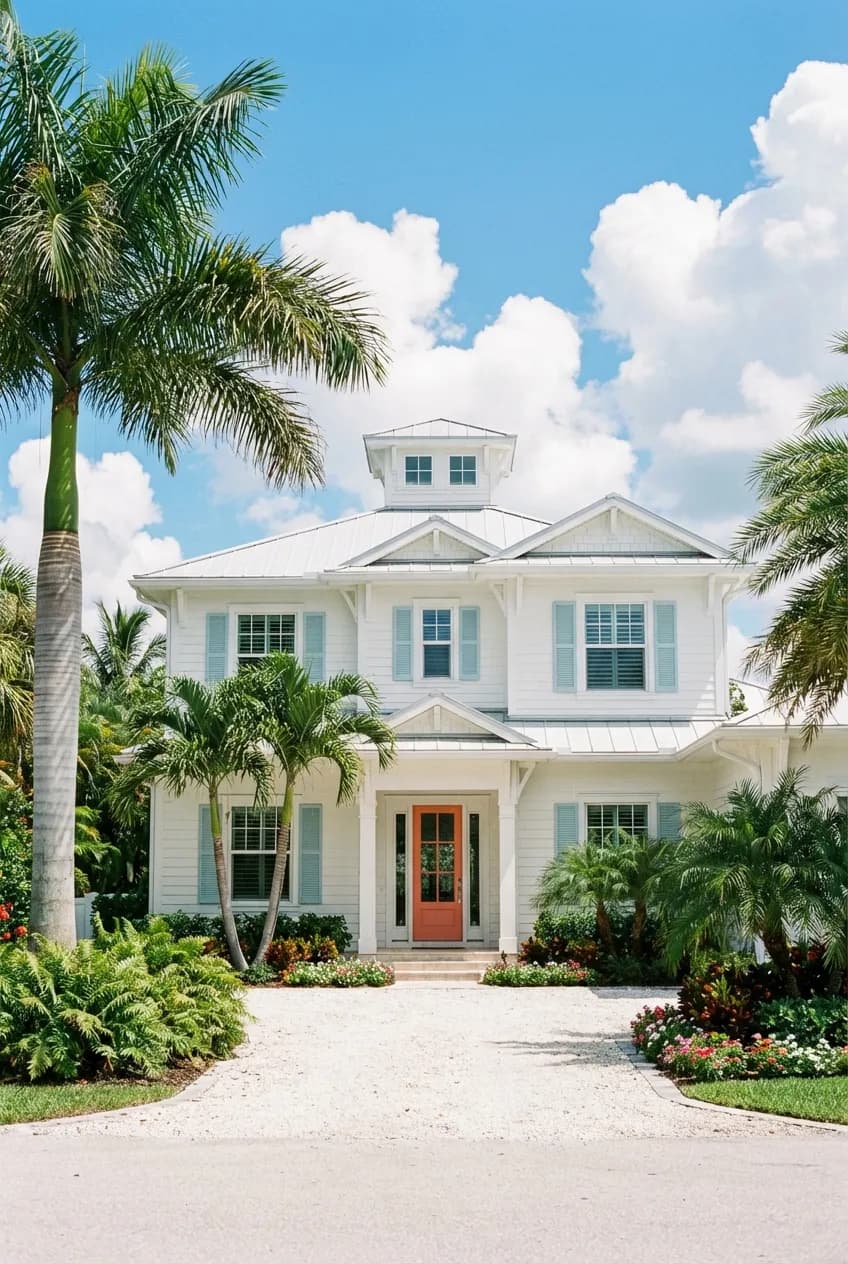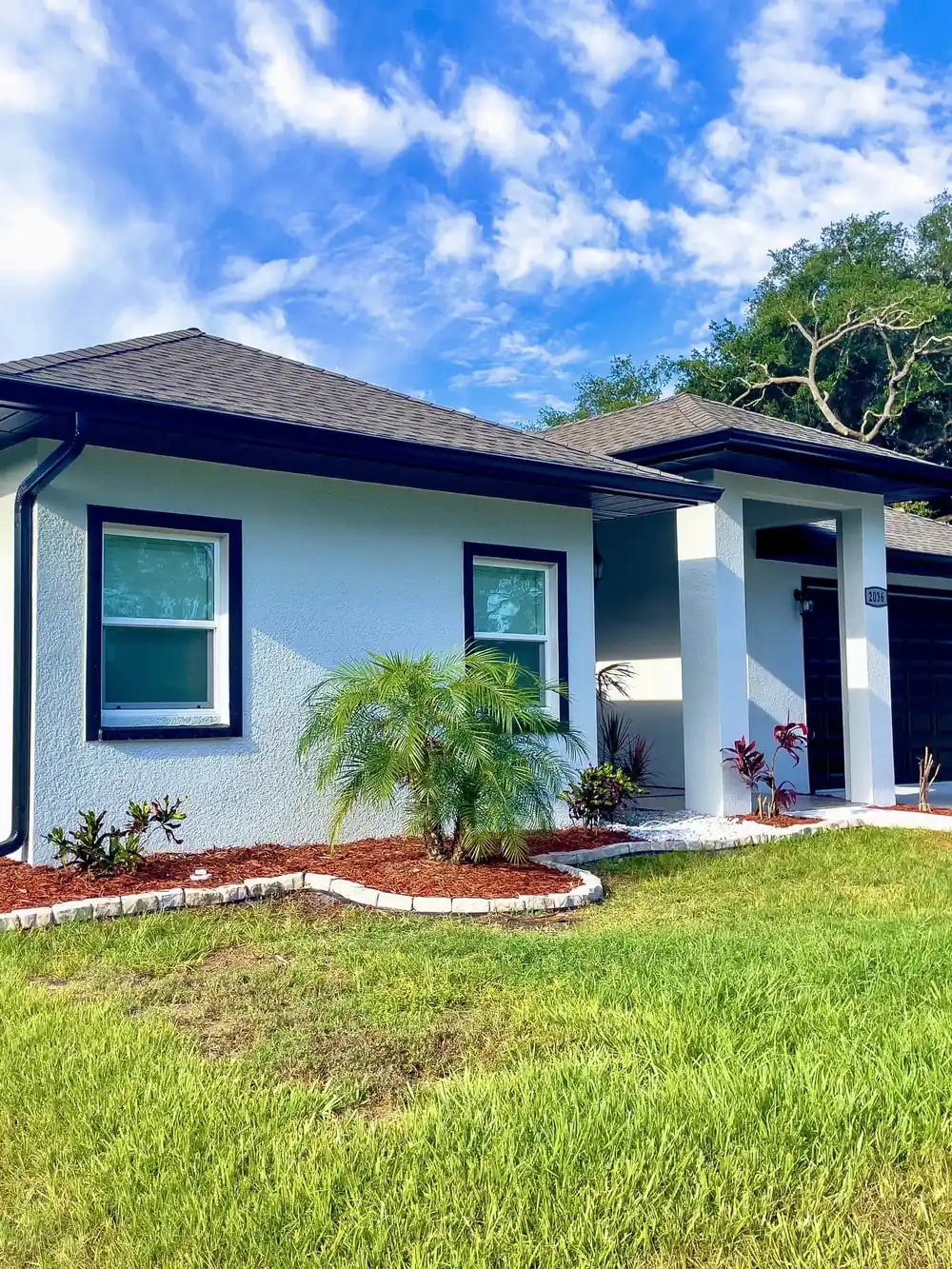

A limewash brick exterior can soften the look of brick without hiding the small marks and color shifts that give the material character. Before you follow a dramatic photo, start with what you own. Its current coating, porosity, repairs, and the result you expect should inform the choice. If you are also weighing a uniform painted system, review Sarasota exterior painting before you settle on a scope.
The short answer is simple: limewash is a thin, lime-based mineral treatment associated with a breathable appearance that preserves much of the brick's texture. That can be a strong fit when variation is part of the goal. It is a poor fit when the brick cannot accept the treatment or when you expect a perfectly even field of color. Inspection and a real sample should come before a full-house commitment.
Start with the brick, not the trend
Where limewash fits
Limewash deserves consideration when the existing brick and your visual goal point in the same direction. The appeal comes from a softer, less uniform surface, not from making brick resemble siding. Write down what you hope to keep visible before discussing products or labor. That one step keeps the conversation focused on your house instead of a generic before-and-after image.
- Bare masonry: confirm that the brick can receive the proposed material.
- Visible texture: decide how much variation to retain.
- Soft color: choose a direction rather than demanding perfect uniformity.
- Aged appearance: accept that change can be part of the intended look.
When the existing coating changes the choice
Brick that already carries paint, sealer, or an unknown treatment needs a closer review. Do not treat the next layer as a shortcut around the old one. Ask the contractor to identify what is present, note repairs, and explain why the recommended system belongs there. If that answer is unclear, pause the job rather than asking another material to solve an old compatibility question.
- Coating history: identify earlier paint, sealer, or patching.
- Mortar condition: separate repair needs from appearance goals.
- Uniform coverage: say so if variation would bother you.
- Written reason: require the proposed option to match the inspection.
Compare limewash with other finishes
What limewash changes
An authentic lime-based wash is valued for mineral variation, a matte reading, and visible brick texture. Exterior paint answers a different request when solid color and a more uniform field matter most. Whitewash and mineral masonry paint raise their own compatibility questions. The useful comparison is not which label sounds more current. It is which system suits the existing brick and the appearance you will still like after the reveal.
| Option | Visual direction | First question to settle |
|---|---|---|
| Limewash | Thin mineral character | Can the brick receive it? |
| Exterior paint | More uniform color | Which coating system fits? |
| Whitewash | A lighter painted effect | What material is in the mix? |
| Mineral masonry paint | Mineral color coverage | What does the maker require? |
Questions that separate the options
Bring the comparison back to decisions you can document. Ask how much original brick should remain visible, how the chosen material will read beside the roof and trim, and what the contractor will record in the proposal. For a related porous surface treatment, the stucco limewash guide explains why the base material must stay central to the plan.
- Coverage goal: how much original brick should still show?
- Final texture: should the result read varied or more even?
- Sample approval: who signs off before full application?
- Upkeep: what care will the written scope describe?
Florida exterior exposure belongs in the plan
Read each wall before choosing
A Florida house does not present one identical face to the weather. Walk the full exterior and note where water reaches the brick, where landscaping crowds it, and where earlier repairs appear. These observations do not pick a product by themselves. They give the contractor a better basis for preparation, sampling, and a clear scope instead of one broad assumption about the property.
- Roof runoff and splash zones near the base
- Irrigation that reaches brick or mortar
- Dense landscaping that limits access
- Earlier patches, stains, or coating changes
Sample color on the actual brick
Color names are only a starting point. Put candidate samples beside the fixed parts of the property and review them at more than one time of day. A white, gray, or beige direction can shift once it sits next to roofing, trim, doors, and natural brick. If you want a wider design view before narrowing the sample, compare these Florida limewash trends.
- White beside warm or cool trim
- Gray beside the roof and metal details
- Beige beside stone and existing masonry
- Original brick left visible within the sample
Build the preparation scope first
Cleaning and testing belong in writing
Preparation should be specific enough that you can compare proposals clearly. Ask how the brick will be cleaned, what repairs precede sampling, where a test area will go, and which written product instructions control the work. The proposal should separate observed conditions from optional appearance choices. That protects the decision even if the final color direction changes after you review the sample.
- Cleaning method and areas included
- Repairs required before the sample
- Test area, size, and approval point
- Product name and written application guidance
Cleaning scope
Sample scope
Final readiness check
Use a controlled application sequence
A practical order of work
A large facade change should move through clear hold points. The sequence below is a homeowner's review path, not a universal technical formula. The selected manufacturer and the inspected substrate control the actual method. What matters is that the contractor does not skip from an uncertain wall to full application without showing you what was found and what the approved sample looks like.
- Inspect the brick, mortar, repairs, and existing coatings.
- Confirm the proposed material is compatible with what is present.
- Clean and complete the repair scope in the agreed areas.
- Apply a sample and approve its color, texture, and variation.
- Complete the work and record the material used.
Questions to ask during the job
- The crew compares the work with the approved sample.
- Adjacent roofs, trim, doors, glass, and plants are protected.
- Product and color information are recorded for your files.
- Any changed condition is discussed before the scope changes.
Plan for a coating that changes over time
Set the upkeep expectation
Do not accept a vague promise that the treatment will take care of itself. Ask what normal weathering may look like, how you should clean the brick, which signs deserve a contractor's review, and what information to keep. A useful care plan makes the future decision easier because it ties advice to the actual material and application instead of a broad claim about all brick homes.
- Written cleaning guidance for the selected material
- Expected visual changes described before work begins
- Conditions that should prompt a professional review
- Product, color, and application records kept together
Know when a painted finish fits better
Limewash is not meant to win all comparisons. A painted system may align better when your goal is a solid field of color, the existing coating points toward repainting, or the chosen mineral treatment does not fit the substrate. If you take that route, compare preparation, coating, price, and warranty terms in writing rather than choosing from color alone.
- A consistent, solid color is the main goal.
- Existing conditions support a compatible repaint scope.
- The proposal names preparation, products, and coverage terms.
Select a Sarasota contractor by the written scope
What Grove Street puts in writing
Grove Street Painting offers exterior painting in Sarasota and requires an on-site walkthrough before quoting. Desmond Landry personally walks the property before each proposal. Exterior repaints start with a power wash included in the written price. The estimate uses line-item costs and a price-lock: if the company misses something after work starts, you do not pay for that mistake.
- Line-item costs tied to the approved work
- Fixed pricing with no surprise fees or change orders
- Written workmanship warranty of 5 or 10 years by coating system
What to bring to the walkthrough
Your walkthrough will be more useful when the contractor can inspect both the brick and your goal. Bring clear photos of the elevations you plan to change, point out known repairs or water concerns, and identify the parts of the house that should anchor color. Grove Street also provides full-size color sample boards in your actual light and uses background-checked crews trained in PCA surface preparation standards.
- Photos of each wall you want evaluated
- The color, texture, and coverage result you prefer
- Known repairs, leaks, coatings, or access concerns
Make the next choice based on your brick
You do not need to choose a finish from a trend photo. Start with the current brick, define the desired result, and ask for a written route from inspection through care. If a painted coating system is the better match, see exterior painting options and schedule the walkthrough that Grove Street requires before quoting. You will leave the decision with a real scope, not a guess.
See Paint Colors on Your Actual Walls
Stop guessing which colors will look best. Upload a photo of your room and preview 80+ premium paint colors instantly - it's free and takes 30 seconds.
Frequently Asked Questions
There is no single lifespan that fits each house. Exposure and the condition of the brick affect the upkeep plan. Follow the chosen product's written guidance, and ask your contractor to put preparation and expected care in the proposal.
Do not assume a mineral treatment will work over an existing coating. Have the coating and brick porosity checked first. The inspection should lead to a written recommendation for the compatible path.
Neither route is automatically better. A thin mineral treatment suits homeowners who value visible brick detail and softer variation. A painted system may fit a homeowner seeking a more uniform result. Let the substrate inspection and your visual goal shape the choice.
White, gray, and beige are useful starting directions, but sample them on the actual brick before deciding. Compare each sample beside the roof, trim, doors, and landscaping in the light you view at home.